

twohillschronicle@26
Mental Health Mondays: Why We’re Making Space

Last week, we introduced Mental Health Mondays here at the Two Hills Chronicle. This week, we wanted to take a moment to explain why this space matters to us—and what readers can expect going forward.
Mental health is often discussed only when things reach a breaking point. But for most people, it’s not about crisis—it’s about the quiet, everyday weight of work, family responsibilities, finances, isolation, stress, and uncertainty. These experiences don’t always make headlines, but they shape our lives and our communities in very real ways.
We believe mental health deserves consistent, thoughtful attention, not just reactive conversations. That’s why we’ve chosen Mondays: not to single out struggle, but to acknowledge that mental well-being is part of everyday health.
Mental Health Mondays are not about offering medical advice or pretending there are easy answers. They are about creating a steady, respectful space where conversations can exist without judgment or pressure. Some weeks may focus on awareness, others on community, resources, or simple reminders that no one is alone in what they’re feeling.
We also recognize that everyone engages with these topics differently. Some people are open and talkative. Others prefer to listen quietly. Both approaches are valid. This series is here to meet people where they are—not where they think they should be.
By making room for these conversations, we hope to contribute to a stronger, more connected community—one where empathy is normal, support is visible, and silence is never mistaken for weakness.
Thank you for being part of this journey with us.
If you or anyone you know needs help, there are many resources available via the Alberta Health Services website. Visit them at https://www.albertahealthservices.ca/amh/amh.aspx, or call their Mental Health Helpline at 1-877-303-2642.
Looking Out for One Another: Winter Pressures and the Cost of Staying Warm in Alberta
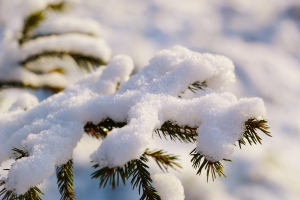
As winter continues to grip much of Alberta, many households are feeling the quiet but persistent pressures that come with colder temperatures. Beyond icy roads and shorter days, the season brings higher heating costs, increased energy use, and added strain—particularly for families, seniors, and those on fixed incomes.
While Alberta is no stranger to winter, each year presents its own challenges. Fluctuating energy prices and extended cold snaps can make staying warm more expensive than expected, prompting many residents to take a closer look at their household budgets and daily routines.
Community organizations and local governments often remind residents that small steps can make a meaningful difference. Simple actions such as sealing drafts, checking furnace filters, and using programmable thermostats can help reduce energy use without sacrificing comfort. Just as importantly, checking in on neighbours—especially those who may be living alone—remains one of the most effective ways communities support one another during the colder months.
Road conditions and winter travel also remain top of mind. Slower speeds, extra time for commutes, and preparedness kits in vehicles continue to be recommended as part of staying safe during unpredictable weather.
Winter can be demanding, but it also has a way of highlighting the strength of Alberta communities. Acts of kindness, shared resources, and awareness go a long way in ensuring no one is left to face the season alone.
As the cold continues, staying informed, prepared, and connected remains one of the best ways to weather the months ahead—together.
Applications to Open for 2026 Rotational Grazing Support Program
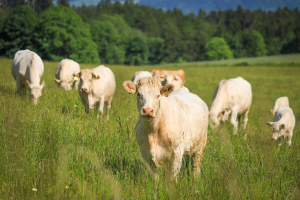
Producers interested in improving pasture management and long-term farm sustainability will soon have an opportunity to apply for support through the Canadian Forage and Grassland Association’s (CFGA) On-Farm Climate Action Fund (OFCAF) program.
The 2026 application period opens February 1, 2026, with funding available to support both grazing plan development and rotational grazing implementation projects.
Grazing Plan Applications
Grazing plan applications allow producers to work with a grazing mentor to develop a customized rotational grazing plan. The program offers up to 85 per cent cost-sharing, with a maximum of $1,500 per producer over the lifespan of the CFGA program.
Applications are approved on an ongoing basis throughout the program year. Interested producers must apply through the CFGA Impact portal.
2025 Implementation Claims Reminder
The CFGA is also reminding producers that final claims for 2025 rotational grazing implementation projects are now due.
Producers with outstanding claims are encouraged to contact their provincial representative as soon as possible. Claims are currently under review, and approvals are being issued on a rolling basis. Once approved, producers will receive confirmation by email from both CFGA and the Impact system.
2026 Grazing Implementation Projects
Applications for 2026 rotational grazing implementation projects will also open on February 1, 2026. Producers interested in participating are encouraged to register on the CFGA Impact portal to receive program updates and notifications.
In addition to funding opportunities, CFGA will be hosting rotational grazing activities and events across British Columbia, Alberta, Saskatchewan, and Quebec. Details will be shared through CFGA’s calendar, newsletter, and social media channels.
The OFCAF program aims to support practical, on-farm improvements that strengthen soil health, improve pasture productivity, and enhance long-term agricultural resilience.
For more information or to apply visit the CFGA website at www.canadianfga.ca
Alberta Expands Funding to Help Keep Kids Active

The Government of Alberta has announced increased funding aimed at helping more children participate in organized sport and recreation across the province. The investment supports the Every Kid Can Play program, delivered through KidSport Alberta, which helps remove financial barriers that often prevent kids from getting involved in sports.
For many families, the rising cost of registration fees, equipment, and travel can make organized sport feel out of reach. Programs like Every Kid Can Play are designed to ease that burden, ensuring children aren’t left on the sidelines simply because of cost.
Nick Davies, Executive Director of KidSport Alberta, welcomed the announcement, emphasizing the direct impact the funding will have on Alberta families:
“We are incredibly grateful to the Government of Alberta for this additional investment in the Every Kid Can Play program. These funds will directly help more kids access organized sport, remove financial barriers for families, and increase sport participation across communities in our great province. This support reinforces a shared commitment to ensuring that cost is never a reason a child is left on the sidelines.”
Beyond physical health, access to sport plays a critical role in children’s mental well-being, confidence, and sense of belonging. Participation in team and individual sports helps young people build resilience, social skills, and lifelong healthy habits — benefits that extend well beyond the playing field.
For rural communities in particular, where resources can be limited and travel costs higher, initiatives like this can make a meaningful difference. Keeping kids active isn’t just about sports; it’s about investing in healthier communities and stronger futures.
Alberta Sets Record for New Homes — But What Does It Mean for Rural Communities?
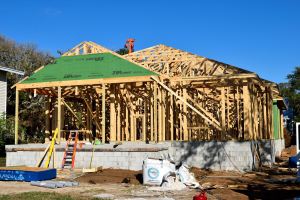
Alberta is building homes at a pace the province has never seen before. According to new figures released this week, more than 53,000 new housing starts broke ground in 2025 — the highest number in provincial history and a 14 per cent increase over the previous record set just one year earlier.
On paper, the numbers are impressive. Alberta led the country in housing starts per capita for the second consecutive year, accounting for nearly a quarter of all new housing starts in Canada, despite having less than 12 percent of the national population. Rental construction also surged, with nearly 20,000 purpose-built rental units started last year — almost triple the level seen a decade ago.
Provincial officials point to streamlined regulations, reduced red tape, and a business-friendly environment as key drivers behind the boom. The government states that these efforts are already yielding results, noting that average asking rents in Alberta are now roughly $400 per month below the national average, with rents declining nearly twice as fast as the national rate in 2025.
But while the province celebrates record-breaking numbers, many rural residents are left asking a different question: where are these homes actually being built, and who are they really for?
Urban gains, rural questions
The majority of new housing starts are concentrated in Alberta’s largest cities. Edmonton and Calgary alone account for almost 49,000 of the 53,000 homes currently under construction. Smaller centres such as Red Deer, Grande Prairie, and Medicine Hat saw increases as well, but at a much smaller scale.
For rural communities and small towns, the impact is less clear. While strong provincial construction numbers may ease overall housing pressure, they do not automatically translate into more affordable or available housing in smaller municipalities — especially those already struggling with limited rental stock, aging housing, or workforce shortages.
Local tradespeople, builders, and municipalities also face challenges that don’t always show up in provincial totals: access to financing, infrastructure costs, and the ability to attract skilled labour to smaller centres.
Rentals improving — but affordability remains relative
The province highlights a sharp increase in rental construction and falling asking rents as a major success. There is no doubt that additional rental supply helps stabilize prices, particularly in urban markets where demand has surged.
However, “affordable” remains a moving target. A rental that is below the national average may still be out of reach for many low- and fixed-income households, especially in communities where wages have not kept pace with inflation.
The government says it currently supports more than 60,000 low-income households through affordable housing and rental assistance programs and is working toward adding 25,000 more affordable units by 2031. Whether those supports reach rural areas in meaningful ways remains an open and ongoing conversation.
A strong signal — but not the full picture
There is no question Alberta’s housing construction momentum is real. Record numbers signal confidence, investment, and growth — and those are not things to dismiss lightly.
At the same time, housing is not just a numbers game. For rural Albertans, the real measure of success will be whether these record builds lead to local options, stable rents, and homes people can realistically afford, not just impressive provincial headlines.
As Alberta continues to grow, the challenge will be ensuring that progress is felt not only in major cities, but in the smaller communities that help define the province itself.
AI Isn’t Coming for Rural Jobs — But Misinformation Might Be

Spend a few minutes online and you’d be forgiven for thinking artificial intelligence is about to sweep through rural communities and wipe out livelihoods overnight. Headlines warn of jobs disappearing. Social media posts frame AI as an unstoppable force replacing people. The fear is understandable — but it’s also largely misplaced.
The real risk to rural communities isn’t artificial intelligence itself. It’s misinformation about what AI is, what it isn’t, and who actually controls it.
What AI Really Is — And Isn’t
Despite the dramatic language, AI isn’t a thinking being. It doesn’t have ambition, intent, or a desire to replace anyone. At its core, it’s a tool — software designed to analyze patterns, assist with tasks, and help people make decisions more efficiently.
Just like tractors didn’t eliminate farmers and GPS didn’t eliminate truck drivers, AI doesn’t function independently of human oversight. It supports work; it doesn’t replace purpose.
Why Rural Jobs Are Less at Risk Than You Think
Most rural work relies on judgment, adaptability, physical presence, and local knowledge — areas where AI struggles.
Farmers, mechanics, tradespeople, healthcare workers, educators, and small business owners all operate in environments that are unpredictable and human-centered. AI can help with planning, record-keeping, diagnostics, and communication, but it cannot replicate lived experience, community trust, or hands-on problem-solving.
In fact, many rural industries stand to benefit from AI when used responsibly:
- Better crop and weather planning
- More efficient logistics and maintenance
- Improved access to information and services
- Reduced paperwork and administrative burden
The danger lies not in adoption — but in misunderstanding.
The Real Threat: Fear-Based Narratives
When technology is framed as something happening to communities instead of for them, people disengage. That creates a knowledge gap where rumors thrive and outside voices shape the narrative.
Misinformation leads to fear. Fear leads to resistance. Resistance leads to missed opportunities.
Rural communities have always been resilient because they adapt thoughtfully — not because they reject change outright.
Taking Back Control of the Conversation
The question isn’t whether AI will exist. It already does. The real question is who gets to decide how it’s used.
When communities understand the technology, they retain agency. When they don’t, decisions get made elsewhere.
Education, transparency, and practical discussion — not hype or alarmism — are what ensure rural voices stay part of the future.
A Familiar Story
Every major technological shift has arrived with warnings of collapse. Yet rural communities endure because they evaluate tools based on usefulness, not fear.
AI is no different.It’s not a takeover.
It’s not a replacement.
And it certainly isn’t Skynet.
What is dangerous is letting misinformation define the conversation before communities get a say.
What This Cold Snap Really Means for Rural Families

As temperatures dip well below seasonal norms, the cold weather has become a common topic of conversation across Two Hills and surrounding communities. While cold snaps are nothing new in rural Alberta, each one brings a familiar set of challenges that affect daily life in ways that often go unnoticed outside small towns.
For many families, the most immediate impact is felt at home. Heating systems are working overtime, and higher energy use often translates into higher utility bills. Older homes, farmhouses, and outbuildings can be especially vulnerable to heat loss, making winter an expensive season for those already watching their budgets closely.
Cold weather also puts added pressure on vehicles — something rural residents rely on heavily. Block heaters become essential, batteries struggle, and minor mechanical issues can quickly turn into major inconveniences when distances between towns are long and repair services are limited. For families commuting to work, school, or medical appointments, reliability becomes more than just a convenience.
Water systems are another quiet concern during prolonged cold spells. Frozen pipes, well issues, and water line problems are not uncommon, particularly in older properties. Preventative measures, such as maintaining consistent heat and monitoring exposed plumbing, become critical when temperatures remain low for extended periods.
On farms and acreages, the cold brings an additional layer of responsibility. Livestock require extra care, reliable water access, and protection from harsh winds. Equipment must be kept operational despite freezing conditions, and daily routines often take longer and demand more physical effort.
There is also a human side to extreme cold that deserves attention. Seniors, individuals living alone, and those with limited mobility can be more vulnerable during severe weather. In rural communities, where neighbours may be miles apart, staying connected — even through a quick phone call or check-in — can make a meaningful difference.
Despite the challenges, cold weather also highlights one of the enduring strengths of rural life: community awareness. People look out for one another, share advice, lend equipment, and quietly step in when help is needed. These small acts often go unreported, but they form the backbone of resilience during Alberta winters.
As the cold snap continues, residents are reminded that winter in rural communities is not just about enduring the weather — it’s about adapting together, staying informed, and supporting one another through the season.
Mental Health Mondays: Why Mental Health Looks Different in Rural Communities

Every community carries its own kind of weight.
In rural towns, that weight often comes quietly — carried through long workdays, early mornings, unpredictable weather, financial pressure, and the unspoken expectation to simply “handle it.”
Mental health in rural communities doesn’t always look like what we see in big cities or on social media. It’s often quieter, harder to spot, and easier to dismiss — even by the people experiencing it.
That doesn’t make it any less real.
The Strength That Can Become a Burden
Rural life is built on resilience. People here are used to solving problems on their own, helping neighbours when needed, and pushing through tough seasons without complaint.
But that same strength can sometimes work against us.
When stress, anxiety, or sadness set in, many people tell themselves:
- “Others have it worse.”
- “I should be able to deal with this.”
- “It’ll pass.”
Sometimes it does. Sometimes it doesn’t.
And when mental health struggles are ignored for too long, they tend to show up in other ways — exhaustion, irritability, withdrawal, trouble sleeping, or physical health issues.
Why Rural Mental Health Is Unique
There are a few realities that make mental health more complicated in smaller communities:
- Isolation: Distance between neighbours, limited transportation, and long winters can make people feel cut off.
- Limited services: Access to counselling or mental health professionals often means long waits or long drives.
- Privacy concerns: In a small town, people worry about being seen or talked about.
- Financial pressure: Farming, trades, and small businesses all carry risks that don’t clock out at the end of the day.
These challenges don’t mean rural communities are weaker — they mean the support systems need to be different.
It’s Okay to Talk About It
Mental health doesn’t have to be a crisis to deserve attention.
Sometimes it’s simply:
- Feeling overwhelmed more often than usual
- Losing interest in things you once enjoyed
- Feeling constantly tense or on edge
- Carrying a sense of heaviness you can’t quite explain
Talking about these things — with a friend, a family member, or a professional — isn’t a sign of failure. It’s a sign of awareness.
And awareness is often the first step toward feeling better.
Small Steps Matter
Improving mental health doesn’t always require big changes. Sometimes it starts with small, practical steps:
- Checking in on someone who seems quieter than usual
- Taking breaks without guilt
- Getting outside, even briefly
- Reaching out instead of pulling away
These moments add up.
A Community Conversation
Mental Health Mondays is not about diagnoses or telling people what to do. It’s about opening a respectful, honest conversation — one that reflects the real experiences of rural life.
If this article resonates with you, know this: you’re not alone, even if it feels that way sometimes.
And if you or someone you know needs support, local healthcare providers and provincial mental health resources are available to help guide the next steps.
Sometimes, just starting the conversation is enough to lighten the load.
About Mental Health Mondays
Every Monday, the Two Hills Chronicle will explore mental health topics affecting rural families, workers, and seniors — with honesty, respect, and practical insight.
Why Access to Healthcare Feels Different in Rural Communities

For many Canadians, booking a doctor’s appointment is an inconvenience. For rural families, it’s often a logistical exercise.
In communities like ours, healthcare isn’t just about wait times or availability — it’s about distance, planning, and uncertainty. The experience of accessing care in a rural setting feels fundamentally different from what many urban residents take for granted.
Distance Changes Everything
A medical appointment in the city might mean a short drive or a bus ride. In rural communities, it can mean arranging time off work, coordinating childcare, checking road conditions, and committing to hours of travel for a single visit.
That distance adds stress — especially when health concerns are urgent but not quite emergencies.
Fewer Options, Greater Impact
When a clinic is short-staffed or a physician is away, there often isn’t a backup down the street. Fewer providers means fewer alternatives, and delays can ripple outward quickly.
This reality doesn’t reflect a lack of care — it reflects the challenge of delivering services across vast areas with smaller populations.
The Quiet Role of Local Healthcare Workers
In rural communities, nurses, pharmacists, and clinic staff often become first points of contact, trusted faces people turn to for guidance and reassurance.
Their role extends beyond job descriptions. They answer questions, calm fears, and help residents navigate a system that can feel overwhelming at times. Their presence is one of the quiet strengths holding rural healthcare together.
Planning Becomes Part of Living
Rural families often plan ahead in ways others never have to consider — keeping emergency bags ready, knowing the fastest routes to larger centres, and being aware of limited after-hours options.
It’s not alarmist; it’s practical. And it reflects a deep understanding of local realities.
A Community Reality Worth Acknowledging
Talking about rural healthcare isn’t about placing blame. It’s about recognizing lived experience.
Acknowledging these differences matters — because understanding is the first step toward meaningful conversation, informed decisions, and long-term solutions that respect rural life rather than overlook it.
Our communities are resilient. They always have been. But resilience doesn’t mean silence — and sharing these realities helps ensure rural voices remain part of the broader healthcare conversation.
What Rising Costs Actually Mean for Rural Families in Two Hills County

Inflation is often discussed in percentages, policy statements, and national headlines. But for families in Two Hills County, rising costs are not an abstract concept—they show up every week at the grocery checkout, every month on utility bills, and every season in the cost of fuel and feed.
For many rural households, the challenge isn’t just that prices are rising—it’s that there are fewer ways to absorb those increases.
The Grocery Bill Reality
A trip to the grocery store has quietly become one of the most noticeable pressure points. Families report spending significantly more for the same staples they bought just a few years ago. Milk, bread, fresh produce, and meat—items that form the backbone of rural family meals—have all crept upward in cost.
Unlike larger centres, there are limited alternatives. Shopping around often means driving farther, which introduces fuel costs that can erase any savings. For seniors on fixed incomes and young families already stretched thin, grocery shopping has become an exercise in compromise rather than choice.
Fuel: The Hidden Multiplier
Fuel costs affect nearly every aspect of rural life. Commuting to work, transporting children to activities, hauling supplies, or simply running errands all depend on reliable transportation. When fuel prices rise, the impact ripples outward.
For farmers and acreage owners, fuel costs don’t just affect personal vehicles—they directly influence operating expenses. Seeding, harvesting, and hauling all become more expensive, often without a corresponding increase in returns. These pressures are rarely visible to consumers but are deeply felt within the community.
Utilities and Housing Pressures
Heating a rural home—particularly older houses or farm properties—comes with higher baseline costs. Electricity, natural gas, and maintenance expenses continue to rise, leaving little flexibility in household budgets.
Renters are not immune either. As landlords face higher costs, those increases are often passed along. The result is a growing number of families quietly adjusting—postponing repairs, cutting back on discretionary spending, or dipping into savings simply to maintain stability.
Different Families, Different Impacts
Rising costs do not affect everyone equally.
- Seniors on fixed incomes often feel increases most acutely, as pensions and benefits rarely keep pace with inflation.
- Young families juggle childcare, transportation, and housing costs simultaneously, with little margin for error.
- Farm families and small business owners face higher operating costs while navigating uncertain markets and weather conditions.
What unites these experiences is not complaint, but resilience. Rural families are accustomed to adapting—but adaptation has limits.
The Quiet Strain
Perhaps the most telling aspect of rising costs in Two Hills County is how quietly they are absorbed. There are few protests and little fanfare. Instead, there are smaller grocery carts, delayed purchases, and careful calculations at the end of each month.
These choices rarely make headlines, but they shape daily life in meaningful ways.
Why Local Perspective Matters
National conversations about inflation often miss the nuances of rural living. Distances are longer. Options are fewer. Self-reliance is higher—but so is vulnerability when costs rise across the board.
Understanding what rising costs actually mean for rural families is the first step toward meaningful discussion and realistic solutions. It reminds us that behind every statistic is a household doing its best to make things work.
In Two Hills County, those stories deserve to be told—not as complaints, but as reflections of real life in a rural community navigating change.

Two Hills Chronicle published its first issue in December 2020. It serves the communities of Two Hills and County and surrounding areas.