
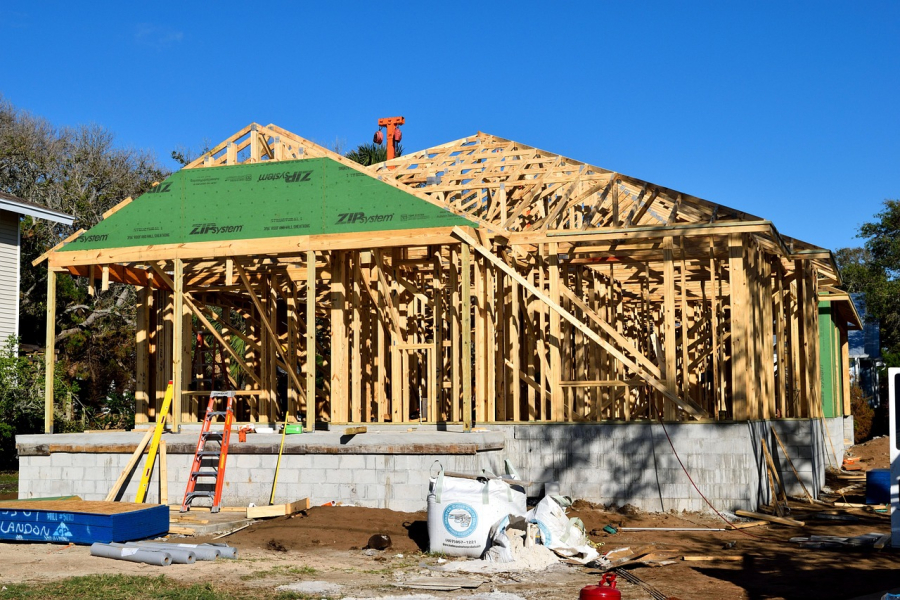
Alberta is building homes at a pace the province has never seen before. According to new figures released this week, more than 53,000 new housing starts broke ground in 2025 — the highest number in provincial history and a 14 per cent increase over the previous record set just one year earlier.
On paper, the numbers are impressive. Alberta led the country in housing starts per capita for the second consecutive year, accounting for nearly a quarter of all new housing starts in Canada, despite having less than 12 percent of the national population. Rental construction also surged, with nearly 20,000 purpose-built rental units started last year — almost triple the level seen a decade ago.
Provincial officials point to streamlined regulations, reduced red tape, and a business-friendly environment as key drivers behind the boom. The government states that these efforts are already yielding results, noting that average asking rents in Alberta are now roughly $400 per month below the national average, with rents declining nearly twice as fast as the national rate in 2025.
But while the province celebrates record-breaking numbers, many rural residents are left asking a different question: where are these homes actually being built, and who are they really for?
Urban gains, rural questions
The majority of new housing starts are concentrated in Alberta’s largest cities. Edmonton and Calgary alone account for almost 49,000 of the 53,000 homes currently under construction. Smaller centres such as Red Deer, Grande Prairie, and Medicine Hat saw increases as well, but at a much smaller scale.
For rural communities and small towns, the impact is less clear. While strong provincial construction numbers may ease overall housing pressure, they do not automatically translate into more affordable or available housing in smaller municipalities — especially those already struggling with limited rental stock, aging housing, or workforce shortages.
Local tradespeople, builders, and municipalities also face challenges that don’t always show up in provincial totals: access to financing, infrastructure costs, and the ability to attract skilled labour to smaller centres.
Rentals improving — but affordability remains relative
The province highlights a sharp increase in rental construction and falling asking rents as a major success. There is no doubt that additional rental supply helps stabilize prices, particularly in urban markets where demand has surged.
However, “affordable” remains a moving target. A rental that is below the national average may still be out of reach for many low- and fixed-income households, especially in communities where wages have not kept pace with inflation.
The government says it currently supports more than 60,000 low-income households through affordable housing and rental assistance programs and is working toward adding 25,000 more affordable units by 2031. Whether those supports reach rural areas in meaningful ways remains an open and ongoing conversation.
A strong signal — but not the full picture
There is no question Alberta’s housing construction momentum is real. Record numbers signal confidence, investment, and growth — and those are not things to dismiss lightly.
At the same time, housing is not just a numbers game. For rural Albertans, the real measure of success will be whether these record builds lead to local options, stable rents, and homes people can realistically afford, not just impressive provincial headlines.
As Alberta continues to grow, the challenge will be ensuring that progress is felt not only in major cities, but in the smaller communities that help define the province itself.
