
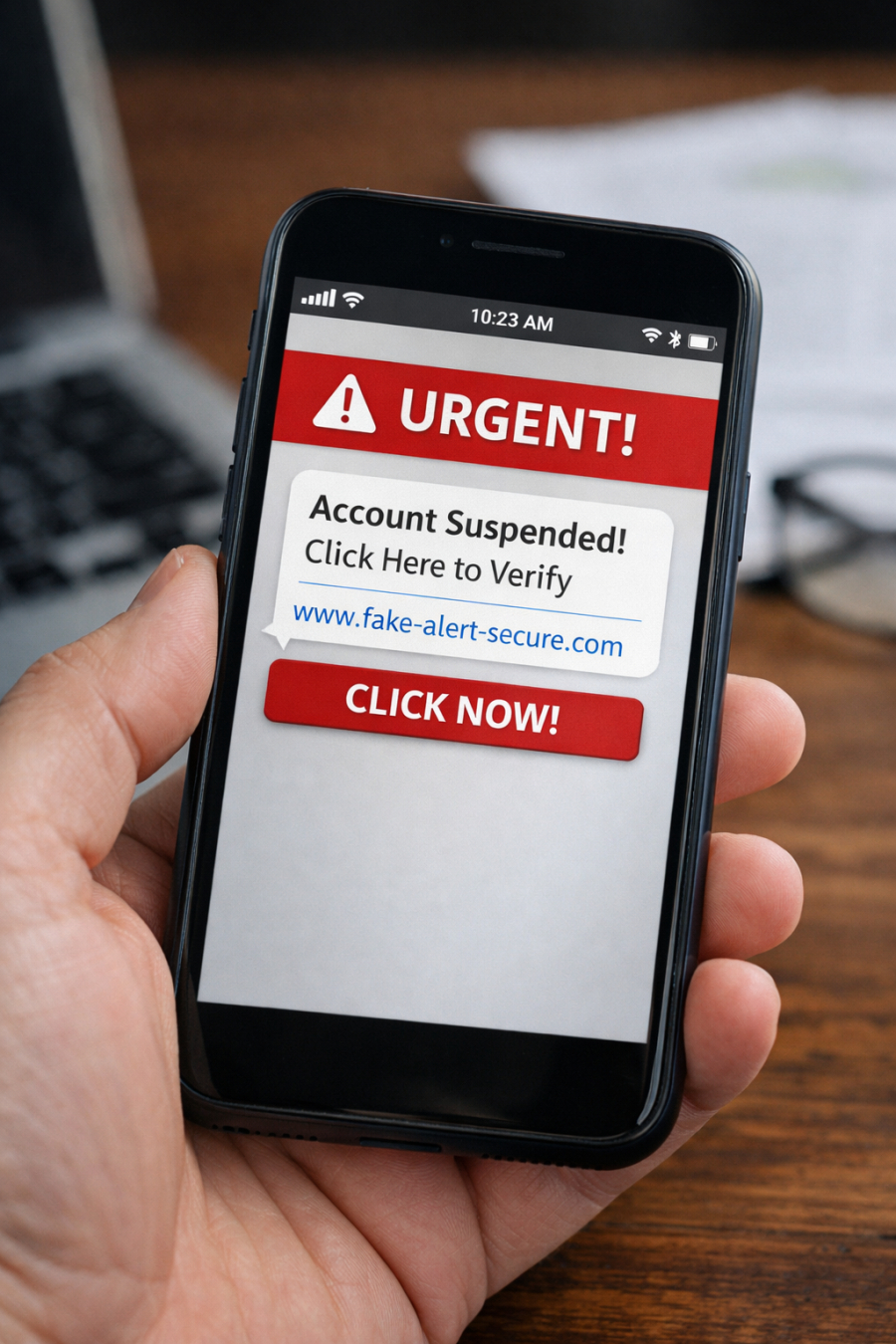
The Government of Alberta is recognizing March as Fraud Prevention Month, urging residents to stay alert as scams become increasingly complex and difficult to detect.
Minister of Service Alberta and Red Tape Reduction Dale Nally issued a statement March 2 emphasizing that no one deserves to be taken advantage of and that education remains the strongest defence against fraud.
“Whether it is a phone call, a text, an email or an online ad, fraudsters constantly adapt their tactics to exploit trust,” Nally said. “When people know what to look for, they are better able to recognize, reject and report fraud before it causes real harm.”
A Hidden Crime
This year’s theme, Hidden Crime, highlights the reality that fraud remains one of the most under-reported crimes in Canada, despite the significant financial and emotional damage it can cause.
According to provincial officials, scammers continue to evolve their strategies, increasingly using sophisticated technology — including artificial intelligence — to create convincing impersonations, fake websites and highly targeted messaging campaigns.
Rural residents, seniors and small business owners are often among those most affected. Fraud can take many forms, including:
- Phishing emails or text messages requesting personal information
- Investment scams promising unrealistic returns
- Romance scams targeting individuals through social media
- Impersonation scams involving fake government or banking officials
- Online marketplace and classified ad fraud
Officials stress that staying informed about emerging tactics can significantly reduce risk.
Reporting Fraud
Albertans who encounter a scam or suspect fraudulent activity are encouraged to report it immediately.
Incidents can be reported to local police or to the Canadian Anti-Fraud Centre, which collects data on scams and provides resources to help prevent further victimization.
If a business is suspected of unfair practices or fraud, residents can contact Alberta’s Consumer Investigations Unit (CIU) at 1-877-427-4088. The unit reviews consumer complaints for compliance with consumer protection and tenancy laws and assesses potential violations, including serious cases that may involve criminal offences.
Provincial officials note that reporting fraud is critical, even if financial loss did not occur. Reporting helps authorities track emerging patterns and warn others before additional victims are affected.
Education as Prevention
Alberta has officially recognized Fraud Prevention Month for more than two decades, using the initiative to raise awareness and provide practical tools to residents.
“Education is our best defence,” Nally stated. “As fraud tactics continue to evolve, staying informed is one of the strongest protections we have.”
Government resources include online guides on identifying common scams, tips for protecting personal information and instructions on how to safely verify suspicious communications.
Residents are encouraged to:
- Avoid clicking links in unsolicited messages
- Verify the identity of anyone requesting personal or financial information
- Use strong, unique passwords for online accounts
- Enable multi-factor authentication where available
- Discuss scam awareness with family members, particularly seniors
Growing Sophistication
Officials warn that artificial intelligence has made scams more convincing than ever. Fraudsters are now able to generate realistic voice recordings, create convincing fake identities and produce professional-looking documents within minutes.
This increased sophistication makes vigilance essential.
Authorities recommend slowing down before responding to urgent requests for money or personal details, particularly those claiming to be from financial institutions, government agencies or family members in distress.
In many cases, legitimate organizations will never demand immediate payment through unconventional methods such as gift cards, cryptocurrency or wire transfers.
Community Awareness
Fraud Prevention Month serves as a reminder that community awareness plays a critical role in prevention.
By sharing information about current scams and encouraging open conversations about fraud attempts, communities can help protect vulnerable residents and reduce overall impact.
Officials encourage Albertans to explore available online resources and take proactive steps to safeguard themselves and their families throughout the year.
For more information about fraud and consumer protection visit the Government of Alberta website at www.alberta.ca/consumer-protection.
