
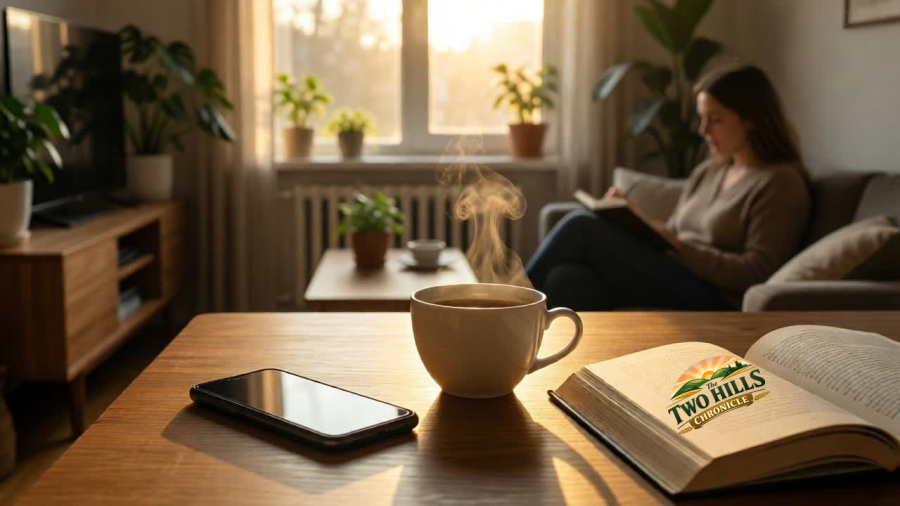
(Image generated using AI)
In a world that never stops buzzing, more people are choosing to do something radical: nothing at all.
Not in the sense of laziness—but in the sense of intention.
Across the globe, 2026 is shaping up to be the year of “digital detox” and slow living, where people are stepping back from constant notifications, endless scrolling, and the pressure to always be “on.” Instead, they’re rediscovering something surprisingly powerful—quiet.
The Rise of a Simpler Life
For years, productivity was king. Wake up earlier. Do more. Optimize everything.
Now, that mindset is shifting.
Wellness experts are seeing a growing backlash against over-optimization, with more people prioritizing joy, balance, and realistic routines over perfection.
Instead of chasing the next trend, people are asking a different question:
What actually makes me feel good?
That shift is leading to smaller, more sustainable habits—like taking breaks from screens, creating bedtime rituals, or simply slowing down in the evenings.
Why People Are Logging Off
The average person spends hours a day on their phone—often without even realizing it.
But the effects are becoming harder to ignore.
Studies and wellness reports point to increased stress, poor sleep, and reduced focus linked to constant screen use. In response, many are setting boundaries—like “no phones after 9pm” or even full tech-free weekends.
And the benefits?
- Better sleep
- Improved focus
- Stronger real-life connections
- Reduced anxiety
In short, less noise… more clarity.
The Return of “Analog Living”
Interestingly, as technology gets smarter, people are going in the opposite direction.
Reading physical books. Writing in journals. Cooking meals from scratch. Spending time outdoors.
This movement—often called “going analog”—is about reconnecting with the real world in a more meaningful way. It’s not about rejecting technology completely, but about using it more intentionally.
Even simple habits, like taking a walk without your phone or having coffee without scrolling, are becoming powerful acts of self-care.
Slow Living, Real Impact
Slow living doesn’t mean doing less—it means doing things with purpose.
People are redesigning their routines to include:
- Screen-free evenings
- Mindful meals
- Gentle exercise like walking or yoga
- Dedicated rest time (without guilt)
And perhaps most importantly, they’re learning that rest isn’t a reward—it’s a requirement.
This shift is helping people feel more grounded, focused, and connected to their everyday lives.
How to Start (Without Overthinking It)
You don’t need to move to a cabin in the woods to embrace this trend.
Start small:
- Put your phone away 30 minutes before bed
- Take one walk a day without music or podcasts
- Swap one hour of scrolling for reading or journaling
- Create a simple evening routine you actually enjoy
The goal isn’t perfection—it’s presence.
A Quiet Revolution
What makes this movement so powerful is how simple it is.
No expensive gear. No complicated plans.
Just a decision to slow down—and pay attention.
In a fast-moving world, that might be the most valuable lifestyle shift of all.
