
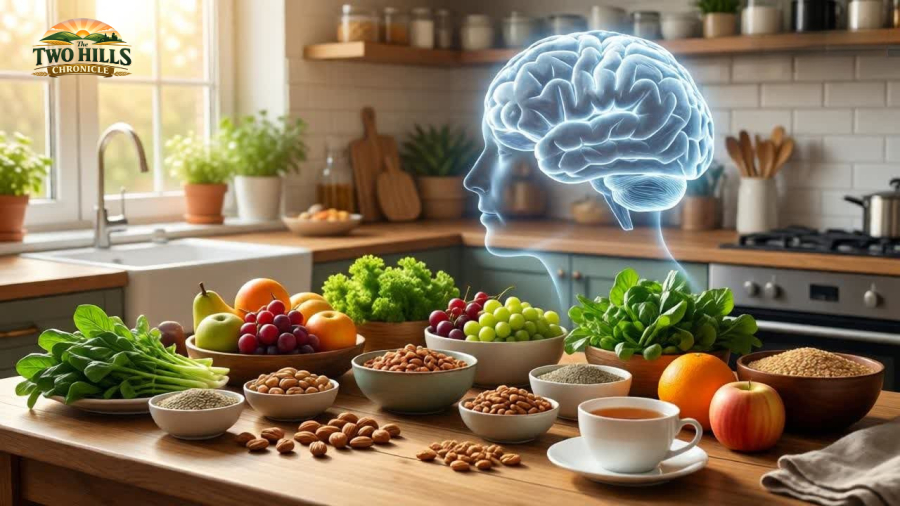
(Image generated using AI)
In today’s fast-paced world, mental health has rightly taken center stage. Conversations around anxiety, depression, and emotional well-being are becoming more open and more urgent. But one key piece of the puzzle often gets overlooked—what we put on our plates.
The connection between nutrition and mental health is not just a wellness trend; it is backed by growing scientific evidence. What we eat doesn’t just fuel our bodies—it directly impacts how we think, feel, and cope with daily life.
The Brain Needs the Right Fuel
Just like a car cannot run properly on poor-quality fuel, the brain struggles when it is not nourished correctly. Nutrients such as omega-3 fatty acids, B vitamins, iron, magnesium, and amino acids all play a vital role in brain function.
Deficiencies in these nutrients have been linked to increased feelings of fatigue, irritability, and even symptoms of depression. A balanced diet helps regulate neurotransmitters like serotonin and dopamine—chemicals that influence mood, sleep, and motivation.
The Gut-Brain Connection
One of the most fascinating discoveries in recent years is the link between the gut and the brain. Often referred to as the “gut-brain axis,” this connection shows that the health of your digestive system can directly affect your mental state.
A healthy gut microbiome—supported by foods like yogurt, fermented products, fruits, vegetables, and whole grains—can improve mood and reduce stress. On the other hand, diets high in processed foods and sugar may negatively impact this balance, contributing to anxiety and low mood.
Blood Sugar and Mood Swings
Ever felt irritable or anxious when you haven’t eaten in a while? That’s not just “being hungry”—it’s your blood sugar levels dropping.
Highly processed foods and sugary snacks can cause rapid spikes and crashes in blood sugar, leading to mood swings, fatigue, and difficulty concentrating. Choosing steady energy sources like whole grains, lean proteins, and healthy fats can help maintain emotional stability throughout the day.
Small Changes, Big Impact
Improving nutrition doesn’t require a complete lifestyle overhaul. Small, consistent changes can make a meaningful difference:
- Incorporate more whole foods like fruits, vegetables, nuts, and seeds
- Stay hydrated—water plays a key role in brain function
- Reduce intake of highly processed and sugary foods
- Include healthy fats such as avocados, olive oil, and fatty fish
- Eat regular meals to maintain stable energy levels
A Holistic Approach to Mental Wellness
While nutrition is not a replacement for professional mental health care, it is a powerful tool that can support overall well-being. When combined with exercise, quality sleep, and social connection, a healthy diet becomes part of a strong foundation for mental resilience.
Taking care of your mental health doesn’t always start with a big step—it can begin with your next meal.
At the end of the day, nourishing your body is one of the simplest and most effective ways to care for your mind.
