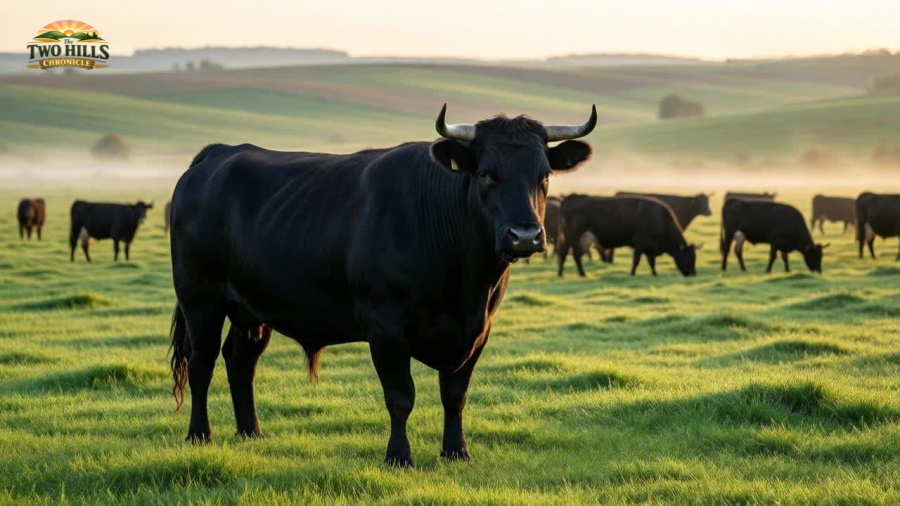
(Image generated using AI)
Every cow-calf producer has either experienced it firsthand or knows someone who has. Breeding season wraps up with no obvious concerns—only for fall pregnancy checks to reveal open cows, late calving and a breeding window that stretched far wider than planned.
While cow nutrition, body condition and herd management are often closely monitored, one critical factor is frequently underestimated: the bull.
What makes this challenge particularly frustrating is the lack of clear warning signs. A bull may appear active, be seen covering cows and look perfectly capable. On the surface, everything seems normal—until it isn’t.
That’s exactly why a Bull Breeding Soundness Evaluation (BBSE) is more important than many producers realize. It removes much of the guesswork from bull performance and helps ensure breeding success before problems arise.
Thinking Beyond the Season
On many operations, bulls receive significant attention during breeding, but far less once the season ends. In reality, a bull’s value extends year-round. Effective management before, during and after breeding plays a decisive role in herd fertility outcomes.
Rather than treating bull care as seasonal, producers are encouraged to view it as a continuous cycle. Decisions made months ahead of turnout—and long after breeding wraps up—can determine the success of the next calving season.
Pre-Breeding: Setting the Stage for Success
Preparation begins roughly two months before breeding. At this stage, evaluating a bull’s readiness is essential—not optional.
A BBSE, conducted six to eight weeks before turnout, allows time to identify and address potential issues. This timing also helps avoid complications from late-winter conditions that may temporarily affect fertility.
Body condition is equally important. Bulls that are too thin may lack stamina and libido, while over-conditioned animals can face mobility and fertility challenges. The ideal target is a body condition score of 2.5 to 3 on a five-point scale—fit, mobile and ready to perform.
Key pre-breeding considerations include:
- Scheduling and completing a BBSE
- Maintaining optimal body condition
- Updating vaccinations and parasite control
- Checking feet, legs and overall structural soundness
Understanding the BBSE
Turning out a bull that cannot breed is one of the most costly—and often invisible—mistakes in cattle production. A veterinarian-performed BBSE evaluates far more than semen quality; it assesses the bull’s overall ability to successfully breed.
Importantly, fertility is not static. Illness, injury, nutrition, age and environmental stressors can all impact performance. A bull that passed a BBSE last year is not guaranteed to pass again.
A comprehensive BBSE includes:
- History Review
- Physical Examination
- Reproductive Assessment
- Semen Evaluation
Producers and veterinarians assess the bull’s background, including age, breed, past performance, health events, nutrition and management practices.
Structural soundness is critical. Even with good semen quality, a bull with poor mobility or conformation may fail to breed effectively.
This includes both internal and external examination of reproductive organs. Scrotal circumference is a key indicator, with larger measurements linked to improved fertility and earlier puberty in offspring—up to an optimal threshold.
Semen is assessed for motility (movement) and morphology (structure). Bulls are expected to meet minimum standards, with at least 60 per cent motility considered acceptable.
During Breeding: Stay Vigilant
Breeding season typically spans two to three months and places significant physical demands on bulls. It is not uncommon for bulls to lose between 100 and 200 pounds during this period.
Even well-prepared animals can encounter issues. Minor problems—such as lameness or injury—can quickly escalate into major reproductive losses if left unaddressed.
Producers should monitor:
- Bull-to-cow ratios (younger bulls: 1:15–20; mature bulls: 1:25–30)
- Pasture size and terrain to ensure mobility
- Signs of injury, lameness or reduced libido
Post-Breeding: Recovery Matters
Once breeding season ends, the focus shifts to recovery—a phase that is often overlooked but critically important.
Bulls that finish the season in poor condition or with unresolved injuries may struggle to recover in time for the next cycle, affecting long-term herd productivity.
Post-breeding management should include:
- Re-evaluating body condition
- Recording breeding performance and pregnancy rates
- Treating or culling underperforming bulls
A Critical Investment in Herd Success
It only takes one sub-fertile bull to quietly derail an entire breeding season—and the calving season that follows.
At its core, bull management is not just about maintaining another animal on the farm. It is about safeguarding the genetic future of the herd. Treating bulls as a year-round investment, rather than a seasonal necessity, helps ensure consistent reproductive success and long-term productivity.
Information for this article was sourced from the Beef Cattle Research Council. To view the full release, visit the following link www.beefresearch.ca/blog/a-year-round-approach-to-bull-management.
For more information about the Beef Cattle Research Council, visit their website at www.beefresearch.ca.
