
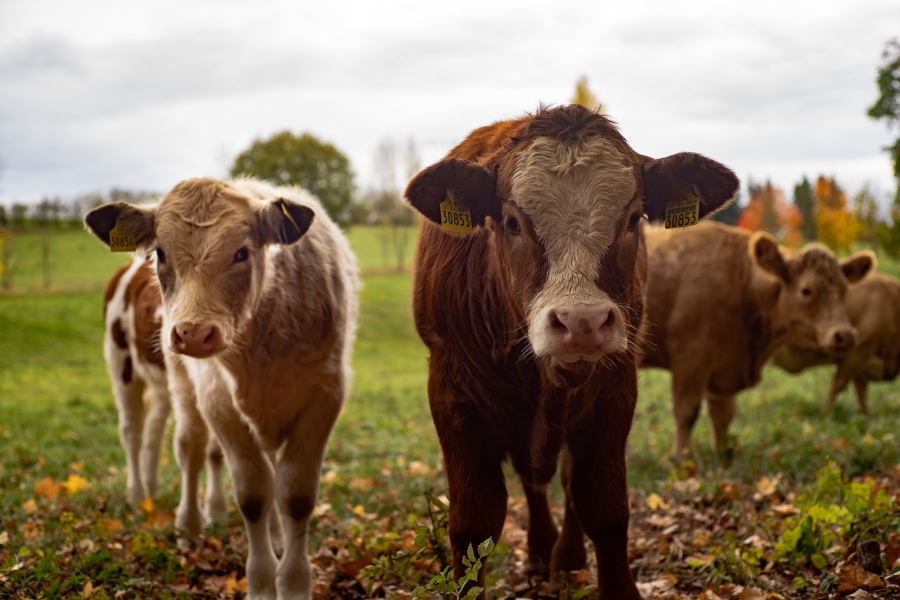
(Image Credit: Rene Schindler/ Pixabay)
Balancing conservation, cattle and growing water pressures
As water challenges continue to grow across Western Canada, a ranching operation in British Columbia is offering lessons that resonate far beyond its borders—including for producers here in Alberta.
Located in the South Okanagan, Thomas Ranches has become a model for how agriculture and conservation can work together. In 2000, the Thomas family partnered with the The Nature Trust of British Columbia to preserve natural habitat while continuing to operate a working cattle ranch.
Today, the operation manages about 200 head of cattle on a portion of the land, with the majority set aside for wildlife habitat—a balance that reflects a growing shift in how ranchers approach land stewardship.
A familiar challenge for Alberta producers
While the South Okanagan is known for its dry climate, the pressures facing Thomas Ranches will sound familiar to many Alberta producers.
Recurring drought conditions, increased demand from growing populations, and competing land-use priorities are all placing strain on limited water supplies across the Prairies. In recent years, many parts of Alberta have faced similar concerns around water availability, particularly during dry seasons.
Wildfire is another shared reality. Like in British Columbia, fires have reshaped landscapes and forced producers to adapt quickly to changing conditions.
At the same time, ranchers are expected to balance livestock production with environmental stewardship—often under increasing public scrutiny.
Smarter water use on the ground
One of the key takeaways from Thomas Ranches is the importance of investing in efficient water systems.
The operation relies on a storage dam to capture water during wetter periods, ensuring supply during dry months—an approach that mirrors water management strategies already used by many Alberta producers.
Upgrades to irrigation infrastructure, including the shift to underground pipelines and pivot systems, have helped reduce water loss and improve efficiency.
These kinds of improvements are becoming increasingly relevant in Alberta, where every drop counts during drought conditions.
Protecting waterways while supporting cattle
Perhaps the most notable change has been the move to off-stream watering systems.
Rather than allowing cattle direct access to creeks, water is delivered to troughs through controlled systems. This protects natural waterways from erosion and contamination while improving water quality for both livestock and wildlife.
Programs in Alberta have also supported similar initiatives, recognizing the long-term benefits for both the environment and agricultural sustainability.
Beyond the practical advantages, these efforts also help strengthen public confidence in the livestock industry—something that continues to grow in importance.
Water access remains a key issue
Reliable access to water remains a critical concern across Western Canada.
In British Columbia, groups like the BC Cattlemen’s Association are advocating for clearer policies around water rights, particularly on Crown land.
In Alberta, similar conversations continue around water management, allocation, and long-term security for agricultural producers.
Ensuring that ranchers have dependable access to water will be essential for maintaining both food production and rural livelihoods.
Looking ahead
As climate variability increases, the experiences of operations like Thomas Ranches highlight the importance of planning, adaptability, and collaboration.
For Alberta ranchers, the message is clear: proactive water management and conservation practices are no longer optional—they are essential.
By combining practical innovation with responsible stewardship, producers across the Prairies are well positioned to meet the challenges ahead while continuing to care for the land that sustains them.
For more information visit the Beef Cattle Research Council website at www.beefresearch.ca/blog/bc-ranch-approach-to-conservation-and-changing-landscapes/.
Information for this article was sourced from the Beef Cattle Research Council. For more information visit their website at www.beefresearch.ca/.
