
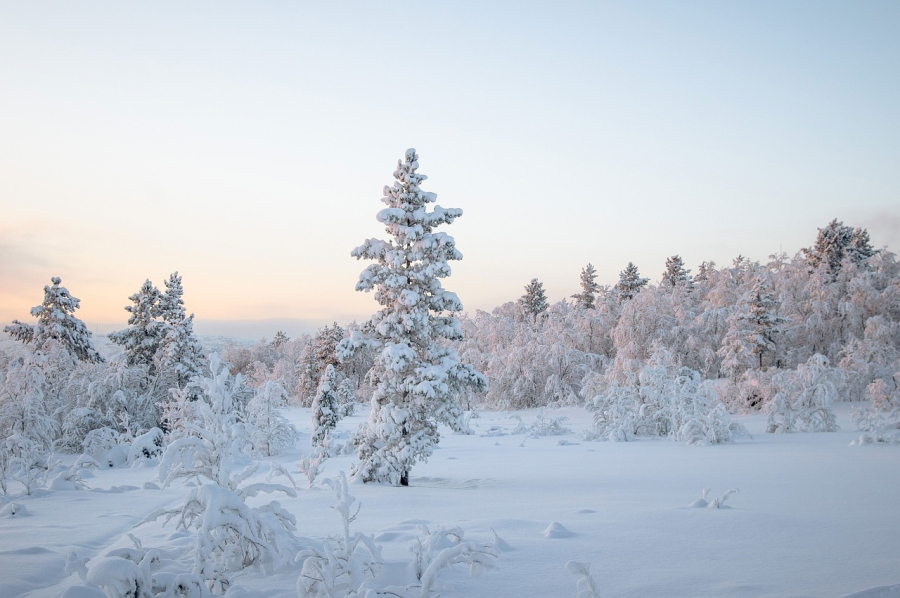
After several years of dry conditions across the province, Alberta’s early 2026 water outlook is showing encouraging signs.
New provincial data released Feb. 18 indicates that mountain snowpack levels across much of Alberta are reporting normal to well above normal conditions — the most favourable early-season outlook since early 2022. The improved moisture follows several challenging years marked by drought and the impacts of El Niño, which brought warmer and drier winters.
According to Alberta’s Ministry of Environment and Protected Areas, February forecasts suggest river volumes in many basins will exceed 2025 levels.
The Milk River basin is currently forecast to see normal river volumes.
Above-normal volumes are expected in the North Saskatchewan and Red Deer River basins.
The Bow and Oldman River basins are forecast to range from normal to above normal.
Mountain snowpack surveys show conditions ranging from normal to significantly above normal. Major reservoirs in southern Alberta are also reported to be in good condition, with storage levels normal in the Oldman and South Saskatchewan River basins and above normal in the Bow River basin.
Environment and Protected Areas Minister Grant Hunter called the findings “great news” for farmers, businesses and communities that rely on a stable water supply, adding that the province will continue monitoring conditions closely in the months ahead.
Agriculture and Irrigation Minister R.J. Sigurdson said the government is taking a whole-of-government approach to managing Alberta’s water systems, noting that while 2025 brought improved growing conditions for many areas, localized weather events continued to challenge producers.
Drought Status Remains in Place
Despite the positive outlook, drought advisories remain active across much of the province. As of Feb. 18, 40 water management areas are under conditional winter water shortage advisories due to frozen conditions.
Drought stages currently range from Stage 1 to Stage 3 across major river basins:
- Stage 1: Sounding Creek, Athabasca River, Battle Creek, Beaver River
- Stage 2: Milk, Oldman, South Saskatchewan, Bow, Red Deer, North Saskatchewan, Peace, Hay
- Stage 3: Buffalo River, Great Slave Lake basin
Alberta measures mountain snowpack monthly from February through June and uses the data to forecast water supply conditions for 20 key locations across central and southern Alberta.
While officials say this is a promising start to winter, the province typically receives much of its annual moisture during March and April snowfalls and June rains — meaning the coming months will remain critical.
For farmers and communities watching closely after several difficult years, the early numbers offer cautious optimism heading into the 2026 growing season.
